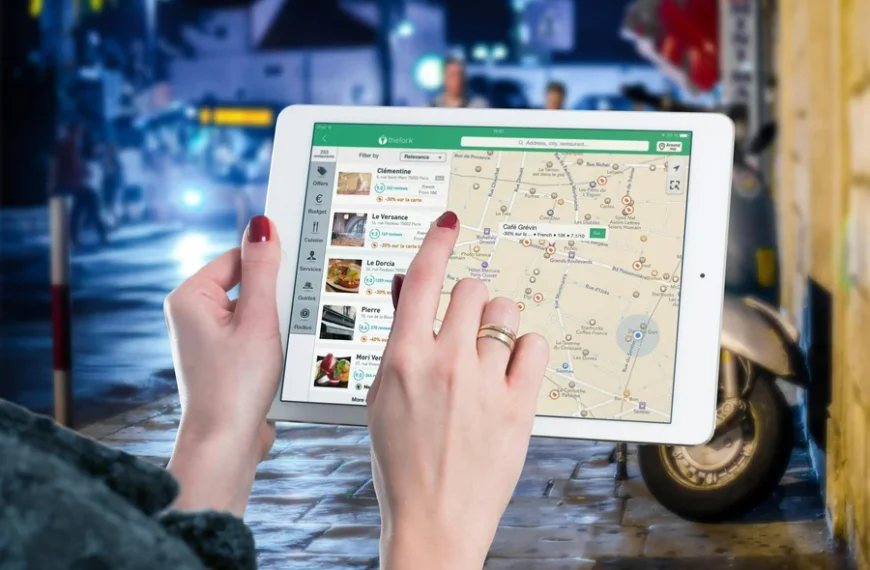
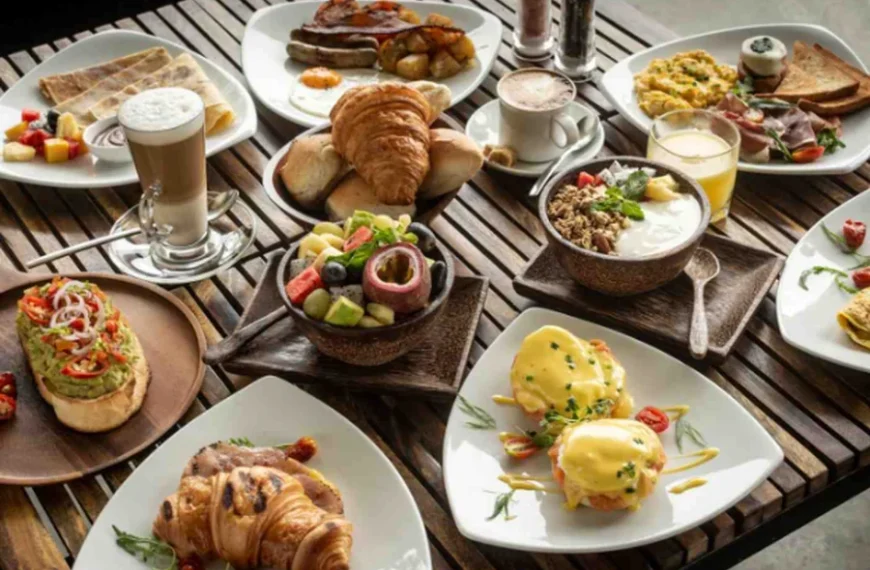
There was a time when the focus of a restaurant was mostly on the food. Today, things have changed. The visual experience is now just as important as the flavor. Social media, especially platforms like Instagram and TikTok, has turned the dining scene into a stage where presentation matters just as much as taste.
This shift in attention has placed furniture in the spotlight. What used to be merely functional is now a key player in marketing and customer experience. Many people, especially millennials and Gen Z, admit to choosing restaurants based on how good they look online. Some statistics show that over 70 percent of millennials consider a restaurant’s interior before booking, and more than 65 percent of Gen Z diners rely on visual platforms to help make their decision. With content creation becoming a daily habit for so many people, restaurants are now designing spaces not just for comfort but for the camera.
Why Looks Matter More Than Ever
The first thing a customer sees when walking into a restaurant is not the menu. It’s the space. And in today’s world, that first glance is often captured on a phone and shared within seconds. The restaurant furniture sets the tone before the meal begins. From velvet-covered booths to colorful bar stools, photogenic furniture draws the eye and makes a lasting impression.
Restaurants have started to feel more like movie sets, carefully arranged to look stunning in every photo. The design needs to reflect the brand’s identity while staying fresh and exciting for visitors. Customers often spend time editing their images before posting, with studies showing an average of 24 minutes spent perfecting food or interior shots. What grabs attention online is not always the food, but the setting. A visually striking chair or table can easily become part of a guest’s story.
What Makes Furniture Instagram-Worthy
Certain features help furniture stand out on camera. Bold color palettes catch attention, especially in bright or pastel tones. Soft textures, curved shapes, and layered patterns all add depth and charm. Materials like terrazzo, velvet, or even rattan photograph well and feel luxurious in person.
Custom designs are a growing trend. Unique chairs, booth details, or special accents often become the focal point in shared content. Around 60 percent of people admit they’ve picked a restaurant simply because of how it looked in a picture. It’s not unusual for a quirky stool or table to gain more online attention than the dishes being served.
The Role of Color, Shape, and Material in Today’s Design
Colors have always set the mood in design, but now they also serve a visual purpose. Tones like blush pink, emerald green, and matte black show up beautifully in photos. Shapes are shifting, too. Instead of traditional square tables or rigid chairs, we see more round tables and plush, inviting seating.
Blending materials has become common. Restaurants are mixing wood with brass, metal with leather, or glass with fabric to create contrast. These choices help create visual interest and encourage guests to share their experience. Soft surfaces reduce glare in phone photos, while thoughtful placement of art and lighting makes everything look more polished. Research shows that warm colors like terracotta and ochre improve photo engagement, and curved booths can lead to 30 percent more group photo shares.
How Designers and Owners Are Thinking Differently
Furniture is no longer chosen purely for function or price. It is now a storytelling tool, with designers and owners working together to choose pieces that look great in photos. More and more restaurants are bringing in social media experts to help design spaces that will perform well online.
Popular spots often include multiple photo zones to encourage content creation from different angles. Flexible layouts allow for quick rearrangements for influencer events or group dining. Today, more than 80 percent of interior designers in the restaurant industry now consider social media appeal during the planning phase. Some venues even use trending hashtags as inspiration for their visual themes.
When Furniture Becomes Branding
Custom branding has extended beyond menus and signage. Many restaurants are weaving their identity into the furniture itself. Chairs, table legs, and booth upholstery may feature engravings, logos, or signature patterns. These small but memorable details help customers remember the brand long after their visit.
Furniture is now an extension of the restaurant’s message. It carries the tone of the experience, whether it’s playful, elegant, rustic, or modern. Customers are more likely to post photos that feature strong visual branding. Branded interiors are often the most shared aspect of a restaurant, even more than the food. Recognizable pieces of furniture can act like visual logos, reinforcing loyalty and identity.
How Social Design Affects Business Results
The right design decisions can bring real returns. Visually appealing interiors often lead to increased foot traffic and higher table bookings. Customers who post about their visit provide organic, free marketing that reaches wide audiences. Some restaurants report that over half their customers found them through social media.
When a post goes viral, it can lead to full reservation books or long lines at the door. People are naturally drawn to places that are seen and shared often. High engagement levels are linked to attractive, thoughtful furniture arrangements. Some restaurant owners say they’ve seen a 25 percent increase in visits after updating their interiors. Furniture also plays a part in how long guests stay, influencing session length and overall spending.
The Hidden Challenges Behind the Aesthetic
While a picture-perfect space sounds appealing, it comes with its own set of challenges. Eye-catching furniture must still be durable, easy to clean, and comfortable. There’s a fine line between choosing pieces that photograph well and ensuring they stand up to daily wear.
Trendy furniture can become outdated quickly, pushing owners to refresh their look more often than before. Cleaning and maintenance are ongoing concerns, especially with materials that show wear or smudges easily. At the same time, accessibility and comfort cannot be sacrificed for aesthetics. Designers must work hard to meet both visual and practical goals. Budget can also become an issue, as custom pieces may cost up to 30 percent more than standard models.
What This Tells Us About the Future of Dining
As social media continues to shape how people dine, furniture will keep evolving. New technologies and trends like AR and virtual previews are helping restaurant owners test out how spaces look before investing. Many are designing rooms specifically with visual content in mind.
There’s also a growing focus on sustainability. Furniture choices now need to meet both the demands of style and environmental responsibility. The industry is slowly shifting to meet these needs. Some furniture makers are even designing collections that prioritize both camera-friendliness and eco-conscious materials.
Soon, restaurants may begin using AI to predict which angles and materials will perform best online. Discovery through design is expected to outpace traditional advertising methods.
Tables That Talk, Chairs That Charm
Furniture is no longer just a backdrop. It has become the face of a restaurant’s brand, its most photographed asset, and often the first point of customer connection. When people share their experiences, they often show where they sat before showing what they ate.
Today’s dining experience is about more than flavor. It’s about story, mood, and memory. And furniture plays a powerful role in all three. Businesses that recognize this are building not only beautiful spaces but also strong, lasting identities. As the world becomes more visual, furniture will continue to lead the way in how restaurants are seen, shared, and remembered.
What once supported a meal now supports a message. In the digital age, every table tells a story, and every chair invites connection.