The resurgence of live entertainment is a remarkable phenomenon reshaping the cultural and economic landscape worldwide. After years of digital dominance and disruptions caused by global events, live shows, concerts, theater performances, and festivals are reclaiming their place in the hearts of audiences everywhere. This revival is not merely a fleeting trend but a deep-seated response to evolving consumer desires, technological advances, and societal changes. In this article, we explore the multifaceted reasons driving the robust comeback of live entertainment and analyze its implications for industries and audiences alike.
The Human Connection: Why People Crave Live Experiences
At the core of the live entertainment revival lies the intrinsic human desire for connection and shared experience. Unlike digital or recorded content, live events foster an unparalleled sense of immediacy and emotional engagement. The communal energy, spontaneous moments, and palpable excitement can only be felt in person. Audiences are increasingly recognizing that no screen or virtual platform can replicate the authenticity and intimacy that a live performance delivers.
As social isolation and screen fatigue intensified in recent years, people yearned to reconnect on a personal level. Live events offer a collective space where strangers become part of a unified audience, united by music, theater, or performance art. This sense of belonging and real-time interaction has become a powerful motivator behind the surging demand for live entertainment.
Post-Pandemic Rebound: The Return of In-Person Engagement
The global COVID-19 pandemic paused live entertainment almost entirely, leaving a void in cultural consumption and community gathering. As restrictions eased, a pent-up demand for in-person experiences unleashed a wave of ticket sales and event attendance. Audiences, craving the thrill of real-time performances, flocked back to venues with renewed enthusiasm.
This post-pandemic rebound revealed not just a return to previous levels but a remarkable growth in live event participation. People value live entertainment more than ever as a form of escapism, joy, and shared human experience. The scarcity during lockdowns elevated the appreciation for these moments, turning live entertainment into a cherished, must-have experience.
Technological Integration Enhancing Live Entertainment
Modern technology plays a pivotal role in the comeback of live entertainment by enhancing audience experiences both onsite and remotely. Advanced sound systems, lighting, and visual effects create immersive environments that captivate attendees. Additionally, the rise of live streaming and hybrid events extends reach beyond physical venues, combining the best of digital convenience with the allure of live performance.
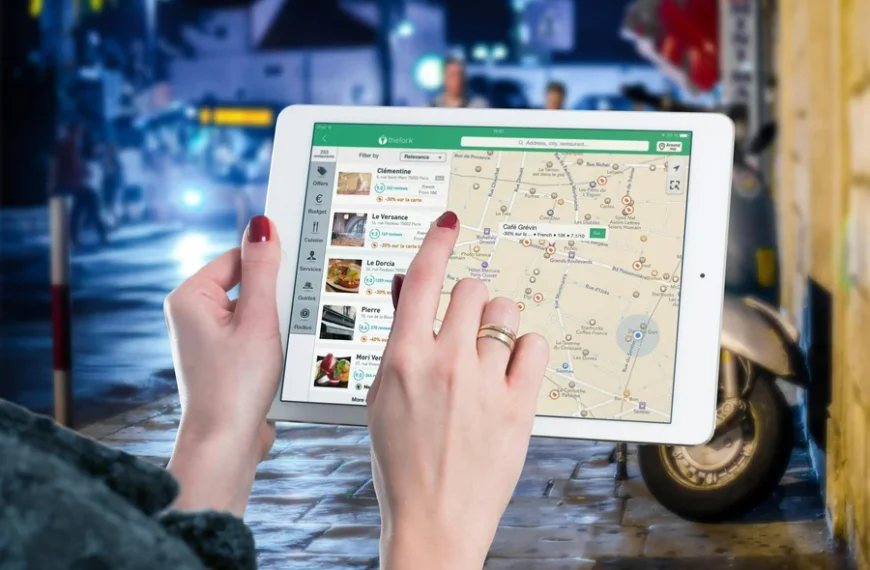
Augmented reality (AR) and virtual reality (VR) technologies are beginning to transform live shows, offering interactive layers and personalized experiences. Mobile apps for ticketing, venue navigation, and real-time interaction enhance accessibility and engagement. These innovations are attracting tech-savvy younger audiences while expanding the creative possibilities for performers and producers.
Economic Drivers: Live Entertainment as a Growth Industry
Live entertainment has become a significant economic driver for local communities and the global market. The industry generates billions in revenue through ticket sales, merchandise, hospitality, and tourism. The resurgence of concerts, festivals, and theater productions stimulates job creation, venue development, and ancillary business growth such as restaurants, hotels, and transport services.
Corporations and brands increasingly recognize the marketing power of live events. Sponsorships, experiential marketing, and partnerships allow companies to connect with consumers authentically. This infusion of investment and innovation fuels the quality and frequency of live entertainment offerings, reinforcing the industry’s comeback.
Changing Consumer Preferences and Lifestyle Trends
Consumer preferences have shifted toward experiences over possessions, with millennials and Gen Z placing high value on memorable, social activities. Live entertainment fits perfectly within this experiential economy, providing unique moments that foster social bonding and personal fulfillment.
The growth of festival culture and niche live events catering to diverse tastes—such as immersive theater, pop-up concerts, and themed events—reflects the demand for personalized and authentic experiences. Audiences are willing to invest time and money into events that align with their identities and lifestyle values.
Moreover, the rise of social media amplifies live entertainment’s appeal, as attendees share their experiences online, creating social proof and viral excitement that drives further interest.
Artists’ Perspective: Creative Freedom and Audience Feedback
For artists and performers, live entertainment offers a dynamic platform for creative expression and immediate audience feedback. Unlike studio recordings or scripted digital content, live shows provide real-time interaction, improvisation opportunities, and a direct emotional exchange.
Many artists emphasize the irreplaceable energy and inspiration they derive from live audiences, which fuels innovation and artistic growth. The demand for authentic connection motivates performers to prioritize live tours, residencies, and special events, contributing to the overall industry’s resurgence.
The Role of Safety and Innovation in Venue Management
The comeback of live entertainment is also propelled by venues adapting to new health and safety standards, making audiences feel secure returning to events. Enhanced cleaning protocols, contactless ticketing, socially distanced seating options, and improved ventilation systems help rebuild confidence.
Furthermore, venues are investing in technological upgrades and innovative programming to offer hybrid models that combine live attendance with digital mphiphop. These adaptations not only address current challenges but future-proof the industry against potential disruptions, enabling a sustainable revival.
Live Entertainment’s Cultural and Social Impact
Beyond economics and technology, live entertainment carries profound cultural and social significance. It acts as a catalyst for community cohesion, artistic preservation, and social dialogue. Festivals and performances often celebrate diverse cultures, promote inclusivity, and provide platforms for social justice and awareness.
The return of live entertainment reconnects communities, heals societal rifts, and fosters cross-cultural exchange. This social dimension adds depth and relevance to the industry’s comeback, making live events a vital part of contemporary life.
Sustainability and Future Outlook
As live entertainment surges forward, the industry is increasingly focusing on sustainability to address environmental concerns related to large events. Efforts include eco-friendly venue design, waste reduction initiatives, and sustainable travel solutions. This commitment aligns with broader societal trends and enhances the appeal of live events to conscientious audiences.
Looking ahead, the future of live entertainment is vibrant and multifaceted. The convergence of technology, creativity, and evolving consumer values promises ongoing innovation and expansion. Live entertainment is poised not only to regain its former stature but to redefine itself as a cornerstone of cultural, social, and economic life in the coming decades. Platforms like onlineurdupoetry continue to showcase how creativity and music culture shape this transformation.