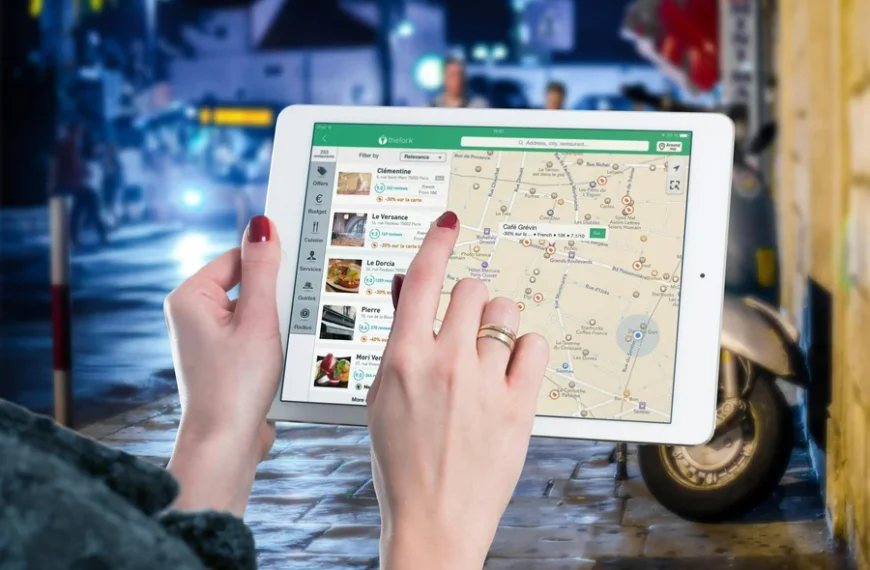
2025 has brought a wave of technological innovations that are completely reshaping the way we explore the world. Gone are the days of printed maps, heavy guidebooks, and language barriers. From the airport to your Airbnb, tech tools are taking the stress out of travel. They’re making every trip smoother, smarter, and way more fun.
If you love to travel, or even if you’re just starting, you’re in for a treat. A treasure chest of gadgets and apps awaits. You’ll soon wonder how you ever lived without them.
Whether you’re a digital nomad traveling the world, a casual vacationer, or an adventurous backpacker, there’s a tool for you. Let’s dive into the tech revolution that’s making 2025 the best year yet for travelers around the globe.
GPS-Enabled Luggage Tracking
We’ve all felt that sinking feeling when a suitcase doesn’t appear on the baggage carousel. Fortunately, smart luggage technology is helping travelers avoid that anxiety. Brands like Away, Samsonite, and July now offer luggage designed to work seamlessly with tracking devices or feature built-in compartments for smart trackers.
Not all models include built-in GPS. But many are compatible with external trackers that allow you to monitor your bag’s location via a mobile app. This means you can keep tabs on your luggage throughout your journey. The numbers show just how fast this sector is growing.
In 2024, the global smart luggage market was estimated to be worth USD 2.24 billion. Grand View Research projects it to grow to USD 4.14 billion by 2030. This is based on an 11.3% compound annual growth rate (CAGR) between 2025 and 2030.
Numerous factors that address the changing demands of modern travelers are contributing to the market’s growth. This rapid growth reflects the increasing demand for convenience, safety, and transparency in modern travel.
Beyond locating misplaced luggage, GPS tracking offers peace of mind. Some devices come with geofencing features that let you set alerts if your bag moves outside a designated area. This adds an extra layer of security against theft or getting lost.
Virtual Mailboxes
One often-overlooked challenge of life on the road is managing physical mail. Whether you’re a digital nomad hopping between countries or a business owner juggling multiple addresses, traditional mailboxes can quickly become a logistical headache. That’s where virtual mailbox services come in. They are offering a streamlined, tech-savvy solution for today’s increasingly mobile lifestyles.
According to The Farm Soho, these innovative platforms offer users a real, physical street address. This is where mail and packages can be sent, regardless of their actual location worldwide. Once received, items are scanned, digitized, and uploaded to a secure online dashboard.
Users get a high-resolution preview of each envelope or document. With just a few taps, they can choose to forward it, store it, or securely shred it. No more missed bills, delayed legal notices, or surprise tax documents piling up back home.
The growing popularity of virtual mailboxes is closely tied to the global rise of digital nomadism. In the U.S. alone, more than 17 million workers now identify as digital nomads. Harvard Business Review notes that this is a staggering 131% increase since 2019.
The shift has been accelerated by the post-pandemic normalization of remote work and the growing availability of digital nomad visas in countries worldwide. For many of these professionals, maintaining a virtual mailbox in the USA is a lifeline, keeping them anchored while they roam.
AI-Powered Travel Assistants
AI travel assistants are changing the game, acting like personal concierges to handle every detail of your journey. If you’re looking for a weekend getaway that aligns with your budget and interests, all you have to do is just ask.
In fact, AI is now leading the charge in how travelers discover new destinations. A global survey found that generative AI has become the leading source of travel discovery for active users. TravelPulse says that it has now surpassed social media and online travel agencies (OTAs). This marks a significant shift, as more travelers now rely on AI tools for planning trips than on traditional platforms.
Platforms like Hopper and Google’s Bard for Travel are at the forefront of this movement. These advanced assistants analyze your travel history, current location, and preferences to generate dynamic, personalized itineraries. They also suggest local events, attractions, and dining spots that match your preferences.
Moreover, these assistants go beyond just planning. They track flights, send boarding pass reminders, update you on gate changes, and provide rerouting suggestions during delays. You can even chat with them casually. Ask about the weather in Rome next week, and they’ll give you a full forecast along with outfit recommendations.
Eco-Friendly Travel Tech Gadgets
As travelers increasingly adopt an eco-conscious approach, the demand for green gadgets has surged. One standout innovation in 2025 is the solar-powered backpack. These stylish and practical bags generate clean energy on the go, enabling you to charge devices using sunlight.
Beyond just powering smartphones, many solar backpacks can charge tablets, cameras, GPS devices, and even drones. They’re ideal for long camping trips, adventurous treks, or digital nomads living off the grid. These devices come in a range of designs, from sleek urban styles to rugged outdoor builds.
Water is essential when you’re on the move, but buying plastic bottles every few hours is not sustainable. Enter the smart water bottle, a tech-enhanced solution for staying hydrated while minimizing waste.
The smart water bottle industry is experiencing significant global expansion. Market.US projects it to grow from USD 40.2 billion in 2024 to USD 128.2 billion by 2034. This is with a compound annual growth rate (CAGR) of 12.3%. The growth highlights the importance of promoting the eco-friendly benefits of reusable smart water bottles.
Today’s smart bottles feature UV-C purification systems to eliminate bacteria and viruses from tap water. They also feature hydration tracking that syncs with your smartwatch or phone to remind you to drink more.
FAQs
How is AR used in travel?
Augmented reality (AR) enhances travel by overlaying digital details onto real-world views. Travelers can use AR apps to explore interactive maps and see historical facts at landmarks. They can also get restaurant and activity suggestions right on their phone screens, making exploration more engaging and informative.
How do I choose a travel charger?
Choose a charger based on your destination’s voltage and plug type. Look for compact, multi-port options with fast charging capabilities. Safety certifications, surge protection, and positive user reviews are also important. A good travel charger balances performance, portability, and device compatibility.
What are wearable devices in tourism?
Wearables like smartwatches and wristbands improve tourism by enabling contactless payments, navigation, real-time alerts, and personalized recommendations. They help tourists access hotel rooms, book attractions, and stay connected easily. These devices streamline travel logistics while enhancing convenience and safety during trips.
The travel world of 2025 is being transformed by innovative tech tools that enhance convenience, safety, and sustainability. As we make use of these technologies, we enrich our travel experiences. We also help create a world that is more connected and accountable.