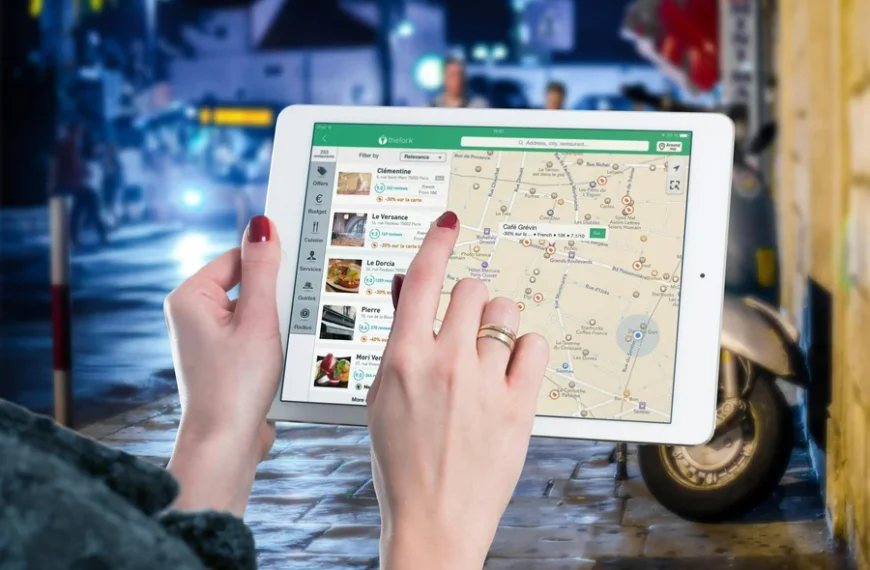
In today’s fast-paced business environment, small business owners must leverage the right tools to stay competitive, streamline operations, and accelerate growth. Utilizing essential tools empowers entrepreneurs to manage finances, improve customer relationships, optimize marketing efforts, and enhance productivity. This comprehensive guide highlights the 7 essential tools every small business owner should have to achieve operational excellence and long-term success.
1. Robust Accounting Software for Accurate Financial Management
Financial management is the backbone of every business, and small business owners cannot afford to overlook it. A robust accounting software simplifies bookkeeping, automates invoicing, tracks expenses, and generates insightful financial reports. Leading platforms like QuickBooks, Xero, and FreshBooks offer cloud-based solutions that enable real-time financial tracking, tax preparation, and cash flow monitoring.
Choosing the right accounting tool is critical because it reduces errors, saves time on manual data entry, and ensures compliance with tax regulations. Moreover, modern accounting software integrates with banking systems and payment gateways, allowing seamless transaction reconciliation and expense categorization. With detailed financial insights at their fingertips, business owners can make informed decisions that promote profitability and sustainability.
2. Customer Relationship Management (CRM) Systems to Build Strong Client Connections
In the competitive small business landscape, nurturing customer relationships is essential. Implementing a Customer Relationship Management (CRM) system helps organize customer data, track interactions, and personalize communications. Top CRM tools such as HubSpot, Salesforce Essentials, and Zoho CRM provide scalable solutions tailored for small businesses.
A CRM system centralizes customer information, allowing businesses to monitor sales pipelines, schedule follow-ups, and analyze buying behaviors. This leads to improved customer retention, increased sales conversions, and enhanced customer service quality. Additionally, CRM platforms support automation features like email marketing campaigns and customer segmentation, enabling targeted outreach that resonates with diverse audience groups.
3. Project Management Software to Streamline Workflow and Enhance Team Collaboration
Efficient project management is key to meeting deadlines and maintaining high-quality standards. Small business owners benefit greatly from adopting project management software that facilitates task assignment, progress tracking, and team collaboration. Platforms like Trello, Asana, and Monday.com offer intuitive interfaces with features such as Kanban boards, calendars, and file sharing.
These tools help businesses break down complex projects into manageable tasks, assign responsibilities, and monitor milestones. Real-time updates and communication channels embedded within these platforms reduce miscommunication and enhance transparency. For remote or hybrid teams, project management software is indispensable for ensuring accountability and maintaining productivity across distributed workforces.
4. Digital Marketing Tools to Amplify Brand Visibility and Drive Customer Engagement
Marketing is the lifeblood of business growth, and digital marketing tools are indispensable for reaching the right audience. Small business owners should harness platforms like Google Analytics, Mailchimp, and SEMrush to execute data-driven marketing strategies.
Google Analytics offers deep insights into website traffic, user behavior, and conversion metrics, empowering owners to optimize digital channels. Email marketing platforms such as Mailchimp automate personalized campaigns that nurture leads and increase customer loyalty. Meanwhile, SEO and keyword research tools like SEMrush enable businesses to improve search engine rankings, attract organic traffic, and outperform competitors online.
Integrating these marketing tools ensures that promotional efforts are measurable, targeted, and aligned with overall business goals, ultimately maximizing return on investment. If you’re looking for a smart way to network, grow your visibility, and expand your entrepreneurial ecosystem, it’s worth exploring MYBZZ – a dynamic business applications built exclusively for entrepreneurs. It connects professionals in meaningful ways, offering more than just contacts – it helps build lasting business relationships in a fast-paced digital environment.
5. Payment Processing Solutions for Seamless Transactions
Accepting payments efficiently is vital for any small business. Implementing reliable payment processing solutions enhances customer convenience and accelerates cash flow. Tools like Square, Stripe, and PayPal provide secure, versatile payment gateways that support credit card processing, mobile payments, and online invoicing.
These platforms offer features such as fraud protection, multi-currency support, and easy integration with e-commerce websites or POS systems. Small business owners benefit from fast transaction settlement and transparent fee structures, reducing administrative burden. By facilitating smooth payment experiences, businesses foster trust and encourage repeat purchases.
6. Cloud Storage and File Sharing Services to Enhance Data Accessibility and Security
Data accessibility and security are paramount for small businesses managing increasing digital hubbydigital. Utilizing cloud storage and file sharing services such as Google Drive, Dropbox, or Microsoft OneDrive ensures that important documents are securely stored and easily accessible.
Cloud platforms offer automatic backup, version control, and collaboration features that improve workflow efficiency. Team members can access files anytime, anywhere, enabling flexibility and continuity of operations. Additionally, cloud services incorporate encryption and multi-factor authentication to safeguard sensitive business information from cyber threats.
Adopting cloud storage solutions eliminates dependence on physical storage devices, mitigates data loss risks, and supports scalable growth.
7. Time Tracking and Productivity Tools to Optimize Work Hours and Boost Efficiency
Time is a finite resource, and managing it effectively is crucial for small business owners balancing multiple roles. Time tracking and productivity tools like Toggl, RescueTime, and Clockify provide valuable data on how time is spent across tasks and projects.
These tools help identify productivity patterns, eliminate distractions, and prioritize high-impact activities. For businesses billing clients hourly, accurate time tracking ensures transparent invoicing and fair compensation. Moreover, productivity apps often integrate with project management and communication platforms, creating a cohesive ecosystem that supports focused work and accountability.
By leveraging these tools, small business owners can maximize efficiency, reduce burnout, and maintain a healthy work-life balance.
Conclusion
The success of any small business hinges on the strategic adoption of tools that streamline operations, enhance customer engagement, and optimize resources. Investing in accounting software, CRM systems, project management platforms, digital marketing tools, payment processing solutions, cloud storage services, and time tracking applications equips small business owners with a powerful technology stack. These tools not only improve daily workflows but also position businesses to scale effectively in competitive markets.